Powering Your Mindset with Affirmations for Body Image
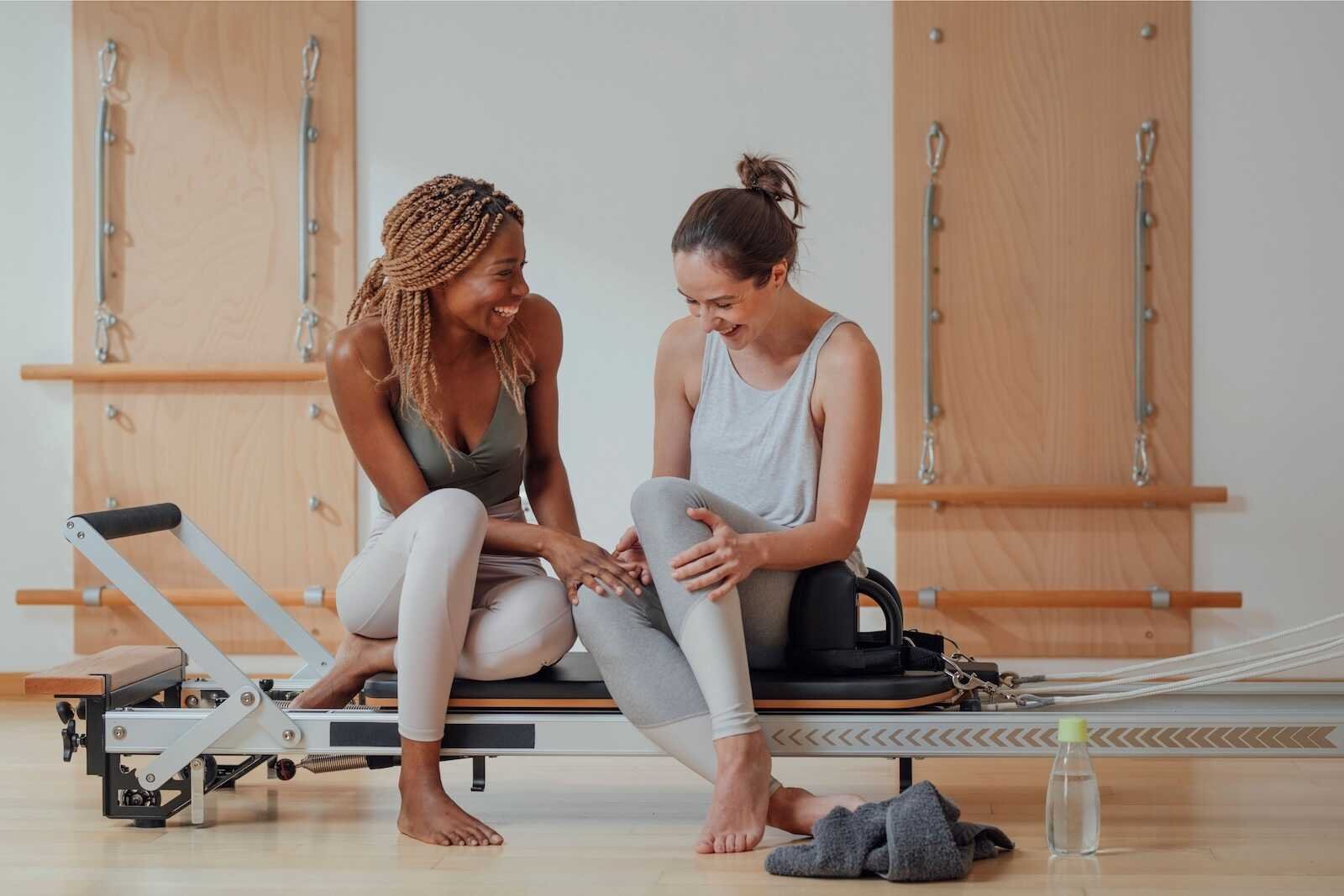
In a world that constantly bombards us with “ideal” aesthetics and filtered realities, maintaining a healthy relationship with our physical selves can feel like an uphill battle. We are often our own harshest critics, noticing every perceived flaw while ignoring the incredible strength and resilience our bodies display every single day.
One of the most potent tools for shifting this narrative is the practice of intentional self-talk. Using affirmations for body image isn’t about ignoring reality or “tricking” yourself into a different mindset; it is about retraining your brain to recognize your inherent value beyond a reflection in the mirror.
Table of Contents
Understanding the Science of Affirmations
Affirmations are more than just “positive thinking.” They are rooted in the concept of neuroplasticity—the brain’s ability to reorganize itself by forming new neural connections throughout life.
When we repeat negative thoughts (e.g., “I hate how I look today”), we strengthen the neural pathways associated with self-criticism. Conversely, when we consistently use affirmations for body image, we begin to weaken those old patterns and build new, supportive pathways. By choosing words that focus on appreciation, capability, and kindness, we gradually shift our internal “default setting” from one of judgment to one of acceptance.
Why Fitness and Movement Support a Positive Body Image
While affirmations work from the inside out, movement works from the outside in. There is a profound connection between physical activity and how we perceive our bodies. Interestingly, the benefit often has less to do with how our bodies look and more to do with how they feel.
1. From Aesthetics to Agency
When you engage in a consistent fitness routine—whether it’s a high-intensity workout, a long walk, or a dedicated Pilates session—your focus naturally shifts. Instead of looking at your legs and judging their shape, you begin to notice their strength. You feel the power in your core and the stability in your spine. This shift from “How do I look?” to “What can I do?” is a cornerstone of body neutrality.
2. The Endorphin Connection
Physical activity releases endorphins, the body’s natural “feel-good” chemicals. This chemical shift reduces stress and anxiety, which are often the primary drivers of negative body checks. When you feel strong and capable in your movement, it becomes much easier to believe the affirmations you are speaking to yourself.
3. Mind-Body Synchronization
Low-impact, mindful movements (like those found in a structured Pilates practice) encourage you to breathe into your muscles and connect with your physical sensations. This “proprioception”—or awareness of your body in space—fosters a sense of gratitude for the mechanics of your anatomy.
50 Powerful Affirmations for Body Image
To help you get started, we’ve categorized these affirmations. Choose a few that resonate with your current journey and repeat them daily—while getting ready in the morning, during your workout, or right before bed.
Affirmations for Body Neutrality
- My body is the least interesting thing about me.
- My body is a vessel for my experiences, not a masterpiece for display.
- I accept my body exactly as it is in this moment.
- My worth is not defined by my weight or my size.
- I am grateful for my body’s ability to breathe, move, and heal.
- My body is a tool, not an ornament.
- I choose to respect my body, even on the days I find it hard to love.
- My body does not have to be “perfect” to be worthy of care.
- I release the need to compare my physical self to others.
- I am more than a reflection in a mirror.
Affirmations for Strength and Capability
- I celebrate what my body can accomplish today.
- I am proud of the strength I am building.
- My body is resilient and capable of amazing things.
- Every time I move, I am honoring my physical self.
- I trust my body to guide me through my workouts.
- I am fueled by health, not by restriction.
- My muscles are a testament to my dedication and persistence.
- I feel powerful when I challenge my physical limits.
- I listen to my body’s signals and give it what it needs.
- I move because I love my body, not because I hate it.
Affirmations for Self-Compassion
- I speak to myself with the same kindness I offer a friend.
- I deserve to feel comfortable and safe in my own skin.
- I release the shame I have carried about my physical appearance.
- I am allowed to take up space.
- My “flaws” are simply parts of my unique story.
- I nourish my body because it deserves to be fed and cared for.
- I forgive myself for the times I have been unkind to my body.
- I am at peace with the changes my body goes through over time.
- I choose to see beauty in my strength and my softness.
- I am worthy of love and respect at any size.
Affirmations for Growth and Mindset
- I am unlearning the beauty standards that no longer serve me.
- Today, I choose to focus on how I feel rather than how I look.
- I am a work in progress, and that is a beautiful thing.
- I am training my mind to see the good in my reflection.
- I am creating a healthy relationship with my body, one day at a time.
- I am not defined by the clothes I wear or the numbers on a scale.
- I choose to surround myself with messages that empower my body image.
- My confidence comes from my character, not my exterior.
- I am grateful for the journey my body has taken me on.
- I am the authority on my own body.
How to Make Affirmations Stick: A Step-by-Step Guide
Simply reading a list of affirmations once isn’t enough to change a lifetime of habits. To truly see a shift in your body image, you need a strategy.
1. Identify Your Triggers
When do you feel worst about your body? Is it when you’re trying on clothes? Scrolling through social media? Identify these moments and have a specific “rescue affirmation” ready. For example, if clothes shopping is a trigger, tell yourself: “The clothes are meant to fit me; I am not meant to fit the clothes.”
2. Practice “Mirror Work”
This can be challenging, but it is incredibly effective. Stand in front of a mirror and look at yourself. Instead of scanning for things to “fix,” look yourself in the eye and state your affirmations out loud. Acknowledging your physical presence while speaking words of kindness creates a powerful psychological bridge.
3. Anchor Them to Habits
Pair your affirmations with an existing habit.
- Morning Coffee: Recite three affirmations while your coffee brews.
- During Exercise: If you’re holding a plank or performing a difficult sequence in Pilates, use a strength-based affirmation like “I am capable of hard things” to get through the burn.
- Skin Care: As you apply moisturizer, thank your skin for protecting you.
4. Write Them Down
Physical writing engages different parts of the brain than speaking does. Keep a “Body Gratitude” journal or stick Post-it notes on your bathroom mirror where you can’t miss them.
The Role of Mindfulness in Body Acceptance
A major reason why activities like yoga or Pilates are often recommended for body image is the focus on mindfulness. When we are mindful, we are present. We aren’t worrying about how we looked three years ago or how we want to look next summer. We are simply here.
When you combine affirmations for body image with mindful movement, you create a holistic approach to wellness. You begin to appreciate the “internal” wins—the way your breath supports your movement, the way your balance improves over time, and the way your mind clears after a session. These victories are tangible and independent of the scale.
Dealing with “Bad Body Image” Days
It is important to remember that having a “perfect” body image 100% of the time is unrealistic. We all have days where we feel bloated, tired, or just plain uncomfortable.
On these days, shift from Body Positivity to Body Neutrality. You don’t have to love every inch of yourself today. Instead, focus on the fact that your body is functional. Use affirmations like:
- “My body is doing its best to support me today.”
- “I am experiencing a feeling, but this feeling is not a fact.”
- “I can take care of my body even when I don’t feel particularly happy with it.”
Allowing yourself the space to be human actually makes your affirmation practice more sustainable. It removes the pressure to perform “happiness” and replaces it with the commitment to “respect.”
Final Thoughts: The Journey is Yours
Improving your body image is a marathon, not a sprint. There will be days of great confidence and days of quiet struggle. By integrating affirmations for body image into your daily routine and supporting your mental work with physical movement that makes you feel strong, you are taking active steps toward a more liberated version of yourself.
Your body is the only home you will ever truly have. It is the vehicle for your dreams, the vessel for your laughter, and the witness to your entire life. It deserves your kindness.