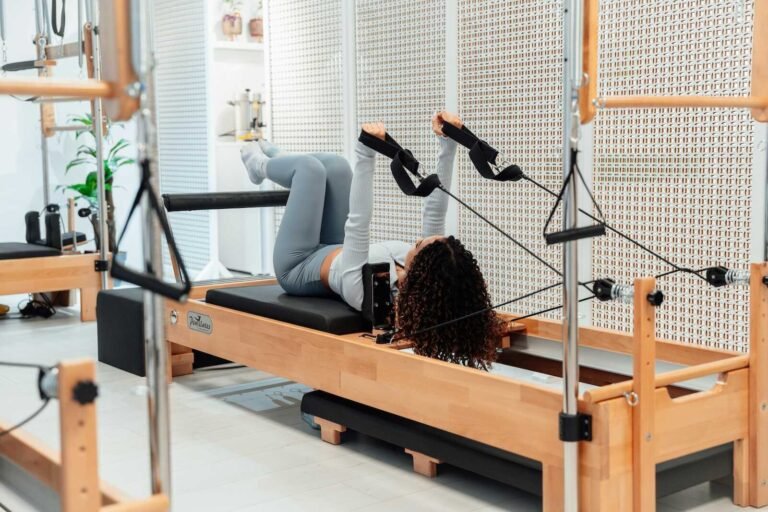
Intentional Movement: How Pilates Teaches You to Move With Purpose and Control
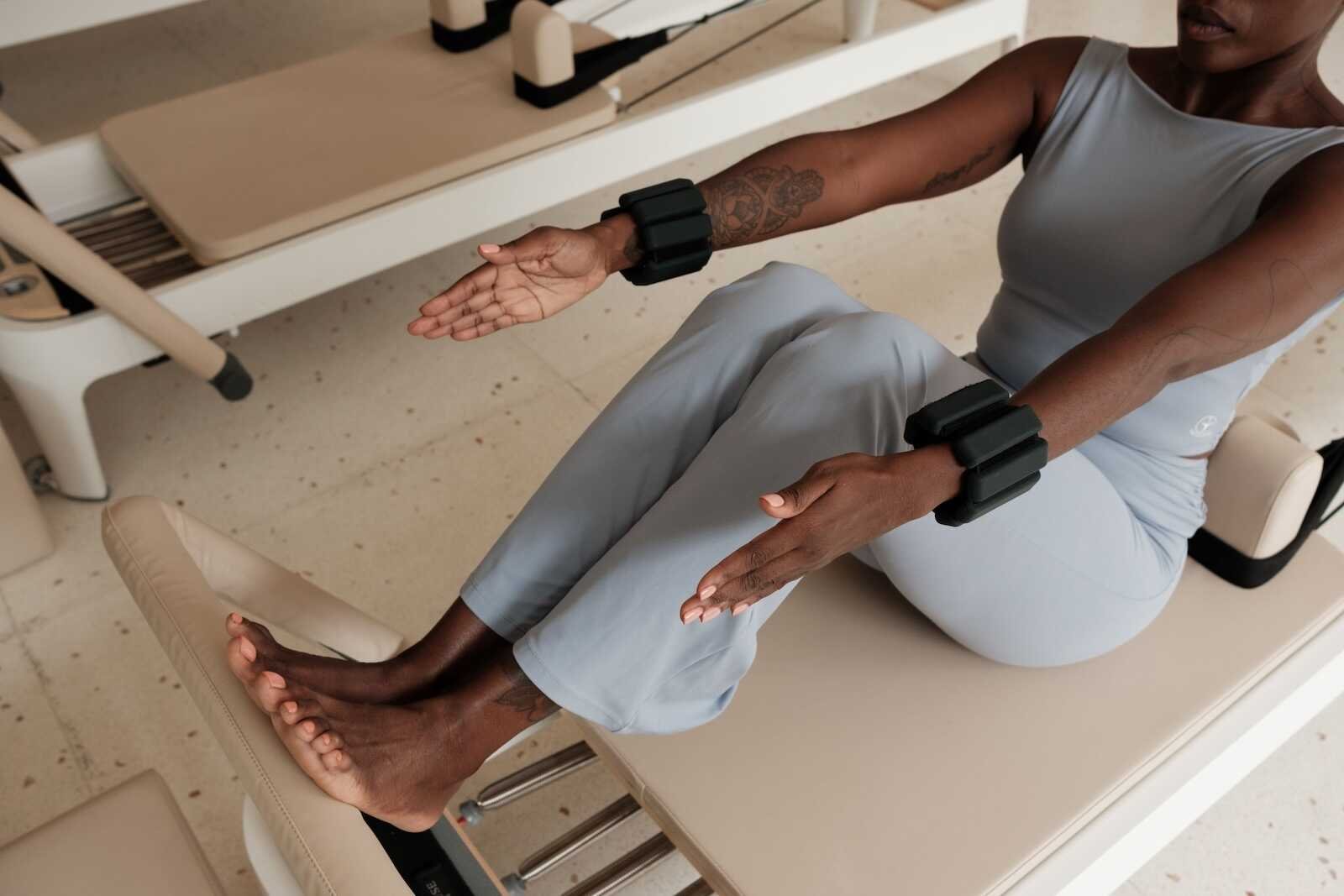
In a world where workouts often focus on speed, intensity, and burning calories, the concept of intentional movement offers a refreshing and powerful alternative. Rather than rushing through exercises or simply going through the motions, intentional movement encourages you to slow down, connect with your body, and move with awareness and control.
This philosophy is at the heart of Pilates. Developed by Joseph Pilates in the early 20th century, Pilates is not just about strengthening muscles—it is about creating a deep mind-to-muscle connection, improving posture, and learning how to move your body in a way that supports long-term health and strength.
If you have ever taken a Pilates class, you may have heard instructors say things like “slow down,” “control the movement,” or “engage your core.” These cues all point back to one powerful concept: intentional movement.
In this guide, we will explore what intentional movement really means, why it is the foundation of Pilates, and how practicing it can transform the way you move both in workouts and in everyday life.
Table of Contents
What Is Intentional Movement?
Intentional movement refers to moving your body with awareness, purpose, and control rather than simply performing motions automatically. It involves paying attention to how your muscles engage, how your body is aligned, and how each movement flows from one to the next.
Instead of rushing through repetitions, intentional movement asks you to:
- Focus on muscle engagement
- Control both the movement and the return
- Maintain proper alignment
- Coordinate breath with movement
- Stay mentally present in your body
In many traditional workouts, people may perform exercises quickly to complete a certain number of reps. However, when practicing intentional movement, the quality of movement matters far more than the quantity.
This is exactly why Pilates has become one of the most effective forms of mindful exercise.
Why Pilates Is Built Around Intentional Movement
Pilates is often misunderstood as simply a low-impact workout or a gentle core routine. In reality, it is a highly precise system of movement designed to strengthen the body through controlled, intentional motion.
Joseph Pilates originally called his method Contrology, emphasizing that the mind should control the muscles during every exercise.
This means that each movement in Pilates is performed with deliberate control rather than momentum. When you practice Pilates, you are not just strengthening muscles—you are training your nervous system to move efficiently and safely.
Key Pilates principles that support intentional movement include:
Control
Control is one of the core foundations of Pilates. Every movement is performed slowly and deliberately to ensure that the correct muscles are engaged.
Instead of letting gravity or momentum do the work, Pilates encourages you to actively control both the lift and the lowering of a movement.
Concentration
Intentional movement requires focus. In Pilates, you are constantly paying attention to how your body moves, which muscles are engaged, and whether your posture remains aligned.
This concentration helps develop a strong mind-to-muscle connection, which improves muscle activation and coordination.
Precision
Small adjustments in alignment can completely change how an exercise works. Pilates emphasizes precision so that each movement targets the intended muscles safely and effectively.
Rather than performing many repetitions quickly, Pilates encourages fewer repetitions with perfect form and deliberate intention.
Breath
Breath is deeply connected to intentional movement. Controlled breathing helps activate deep core muscles and maintain rhythm during exercises.
In Pilates, breath is not an afterthought—it is part of the movement itself.
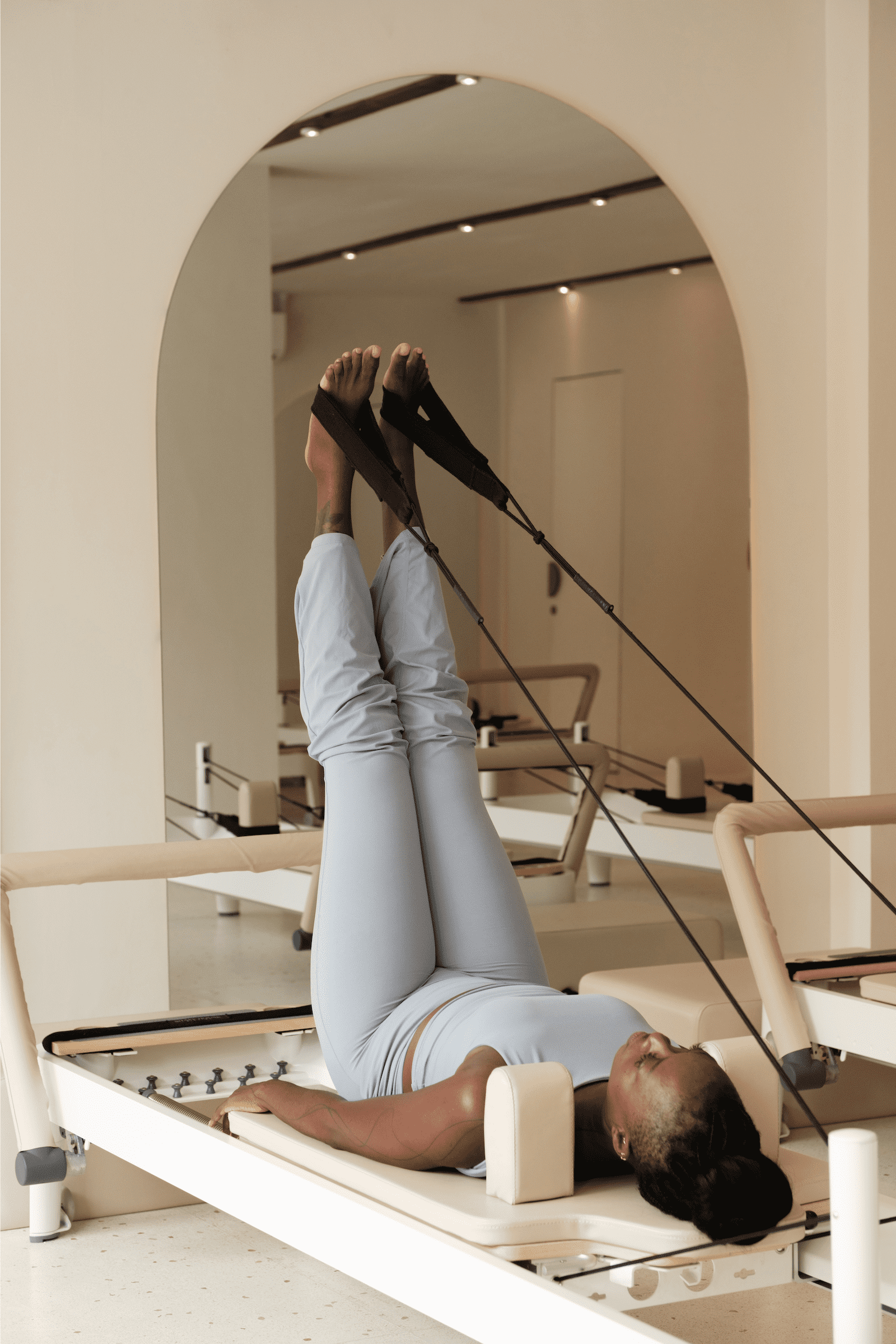
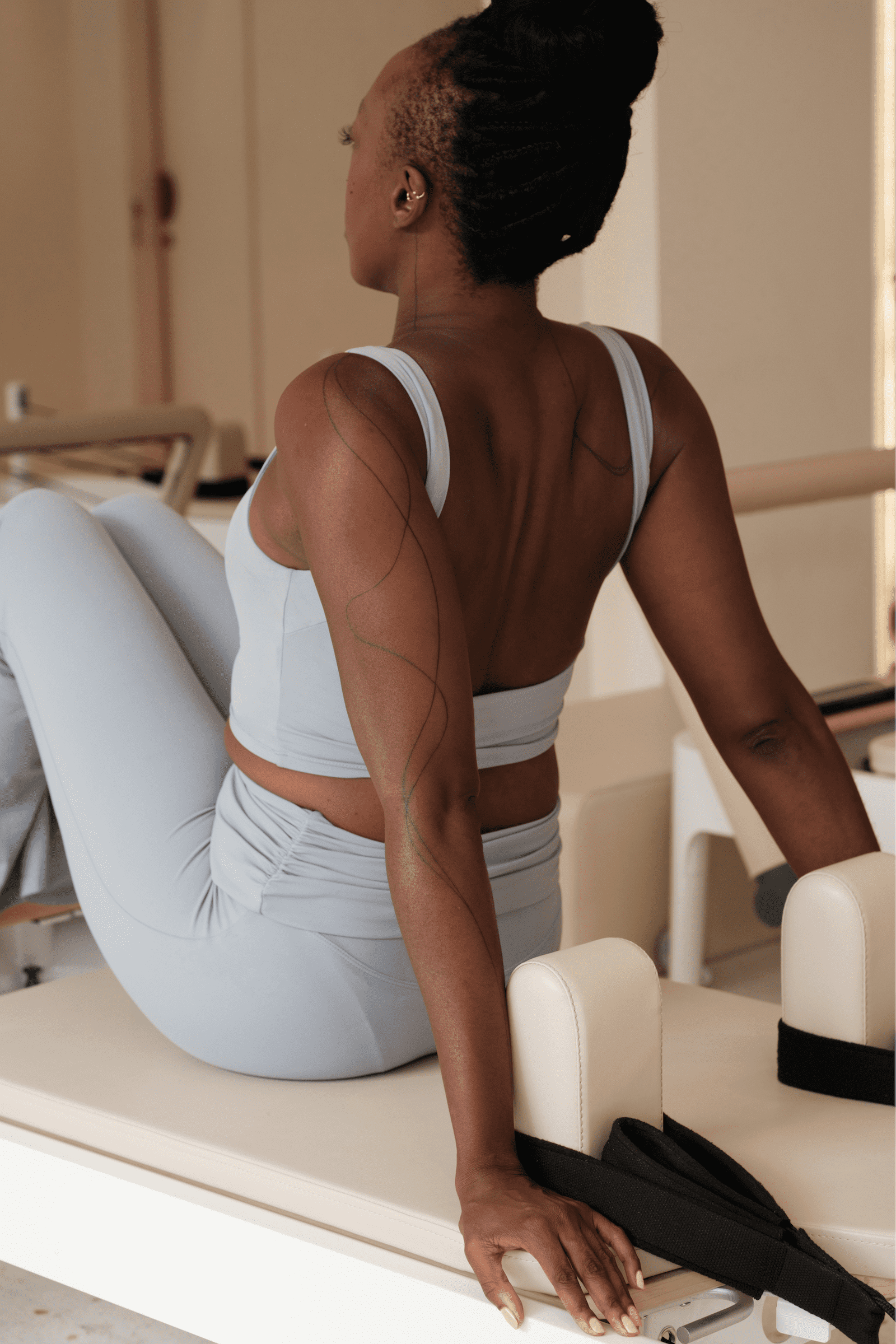
Understanding the Mind-to-Muscle Connection
One of the most important aspects of intentional movement in Pilates is the mind-to-muscle connection.
This term refers to the ability to consciously activate and control specific muscles while performing an exercise.
When people perform movements automatically, they often rely on stronger muscle groups to compensate for weaker ones. Over time, this can create muscle imbalances and poor movement patterns.
Pilates teaches you to slow down and feel which muscles are working, allowing you to properly engage deep stabilizing muscles that are often neglected in traditional workouts.
For example:
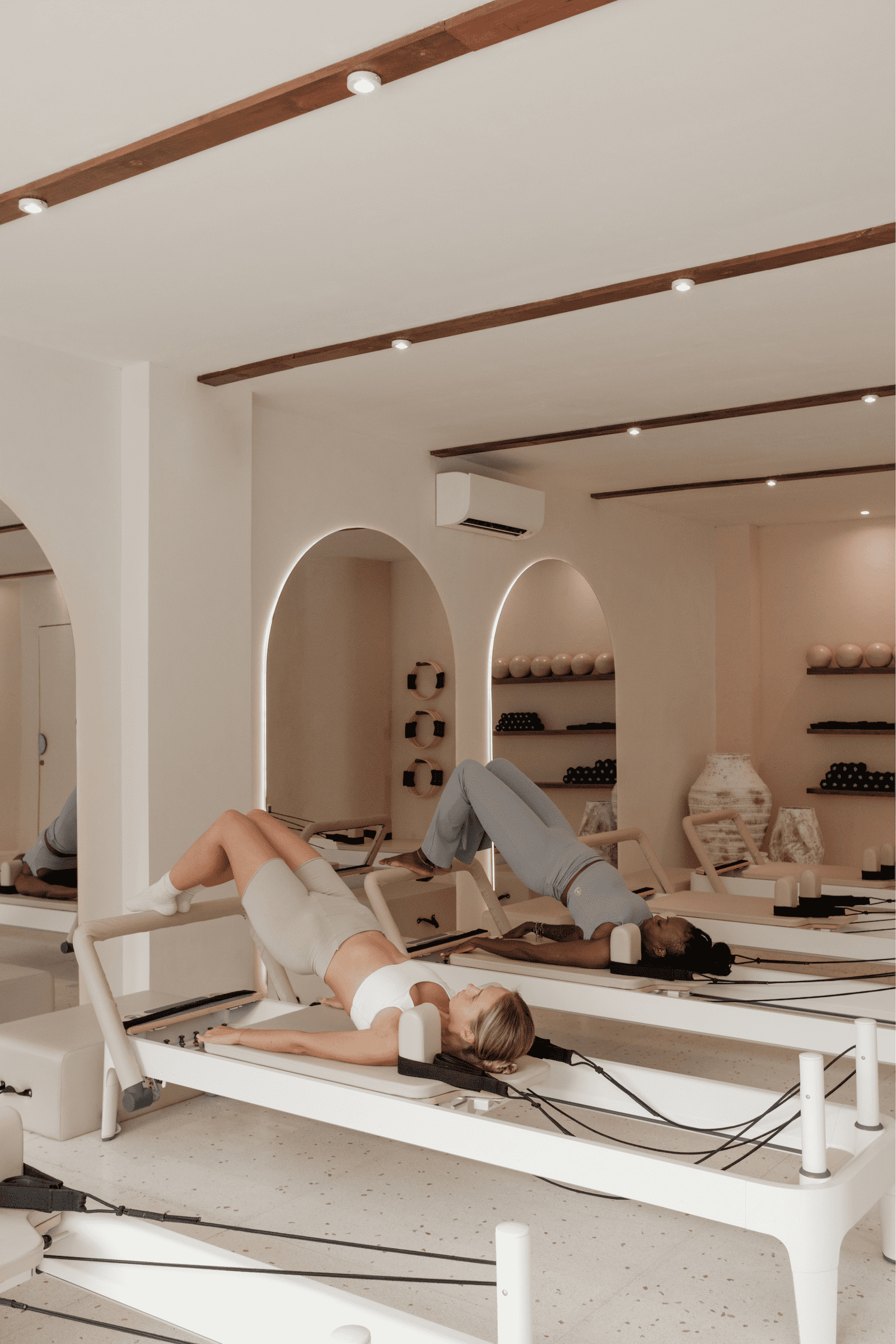
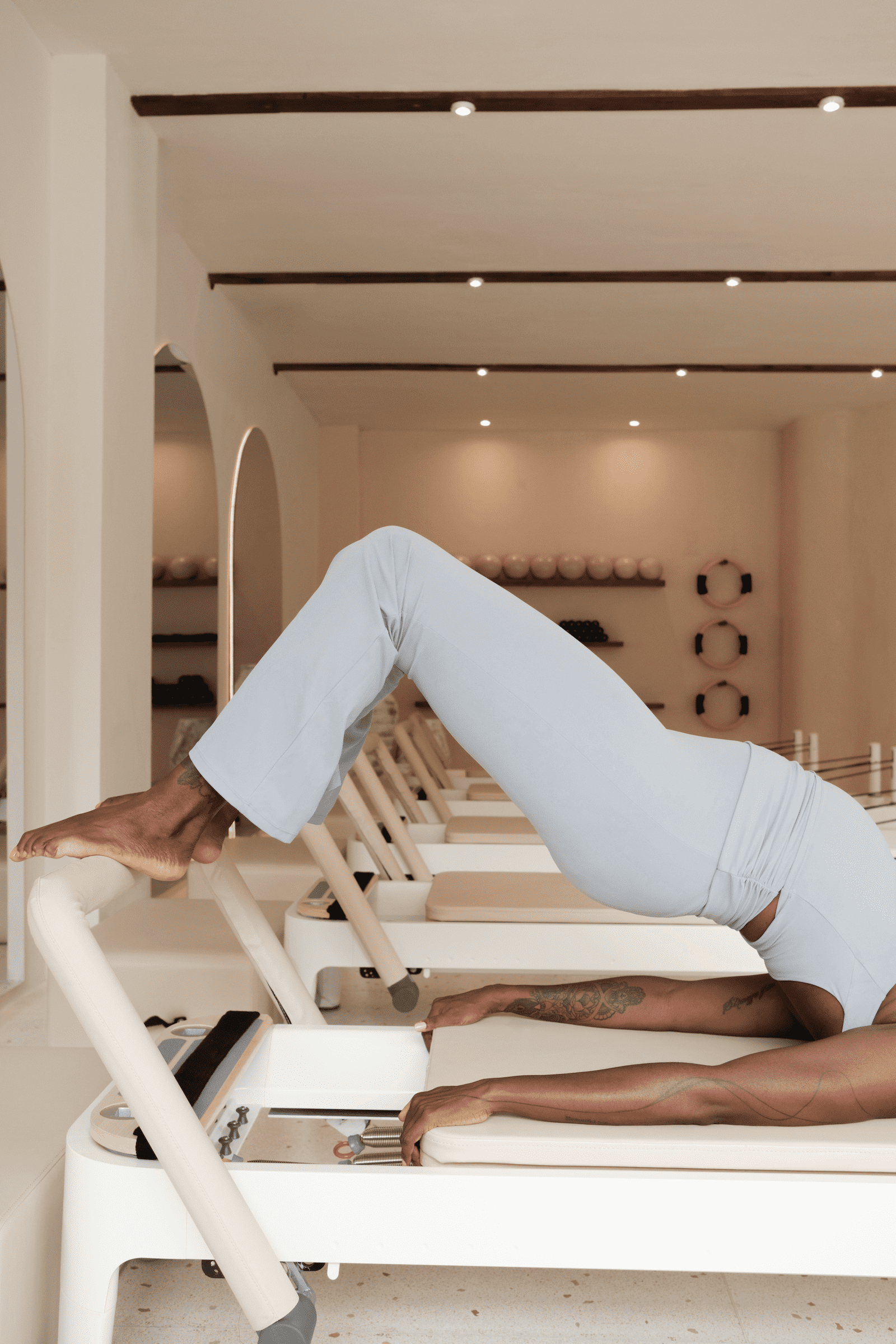
- When performing a Pilates bridge, you focus on activating the glutes rather than pushing through the lower back.
- During leg lifts, you engage the deep abdominal muscles to stabilize the pelvis.
- When performing arm exercises, you connect the movement back to the core rather than isolating the arms alone.
This level of awareness transforms exercises from simple motions into powerful, targeted movement patterns.
The Benefits of Intentional Movement
Practicing intentional movement through Pilates offers a wide range of benefits that go far beyond a typical workout.
Improved Muscle Activation
When you move with intention, you activate the correct muscles more effectively. This leads to stronger and more balanced muscle development.
Rather than relying on momentum, your muscles perform the work, which improves strength and endurance.
Better Posture
Intentional movement teaches you to maintain proper alignment during exercise. Over time, this awareness carries into daily life.
You may find yourself naturally standing taller, sitting with better posture, and engaging your core during everyday activities.
Reduced Risk of Injury
When exercises are performed quickly or without awareness, it is easy to place unnecessary strain on joints and muscles.
Intentional movement slows things down and emphasizes control, helping you move in a safer and more sustainable way.
Increased Body Awareness
Pilates trains you to notice subtle changes in how your body moves. This heightened awareness can help you identify tension, imbalance, or poor posture before it leads to discomfort.
Greater Strength and Stability
Because Pilates emphasizes deep stabilizing muscles, intentional movement helps strengthen the core, hips, and spine—the areas responsible for supporting your entire body.
This creates a strong foundation for all other types of movement.
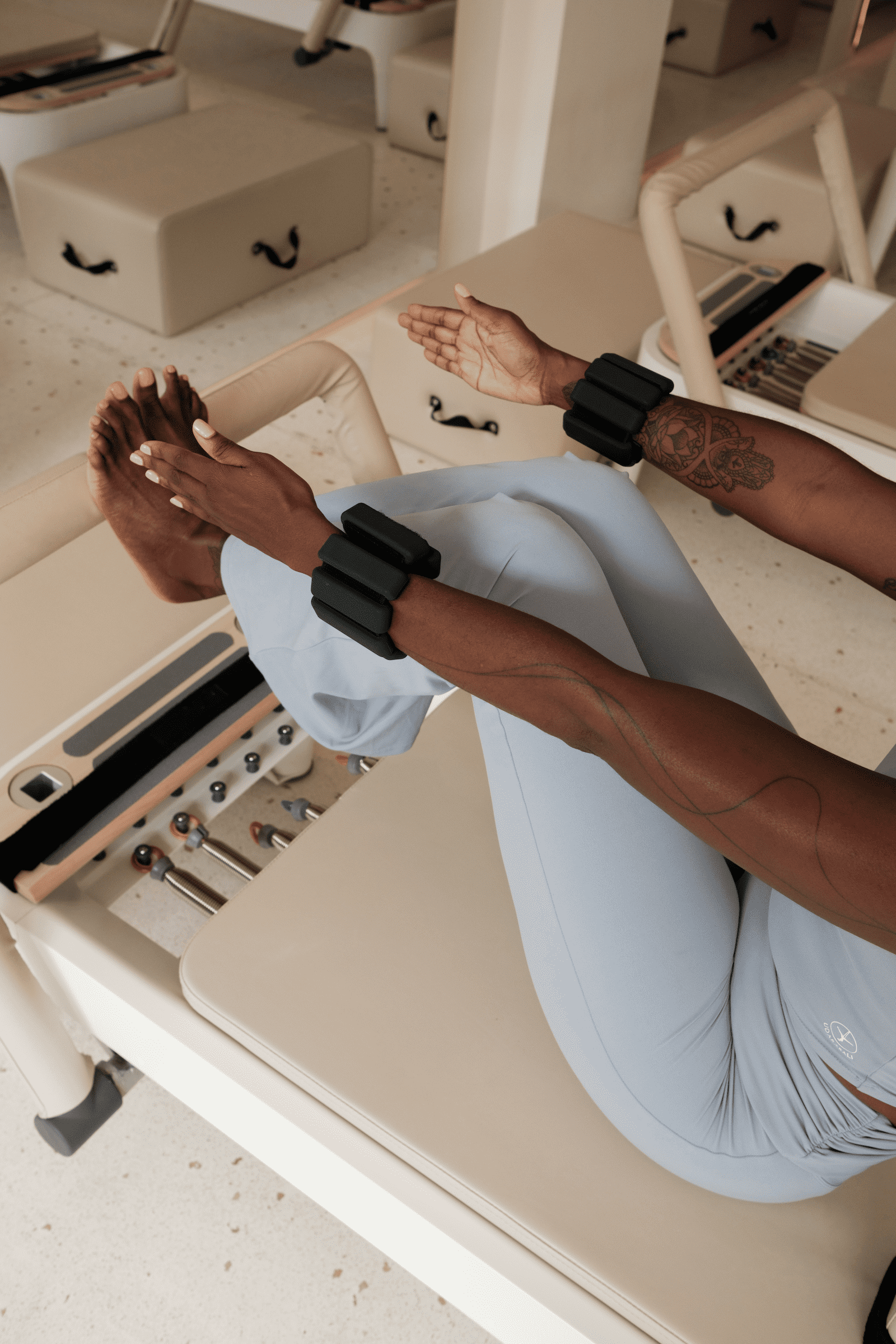
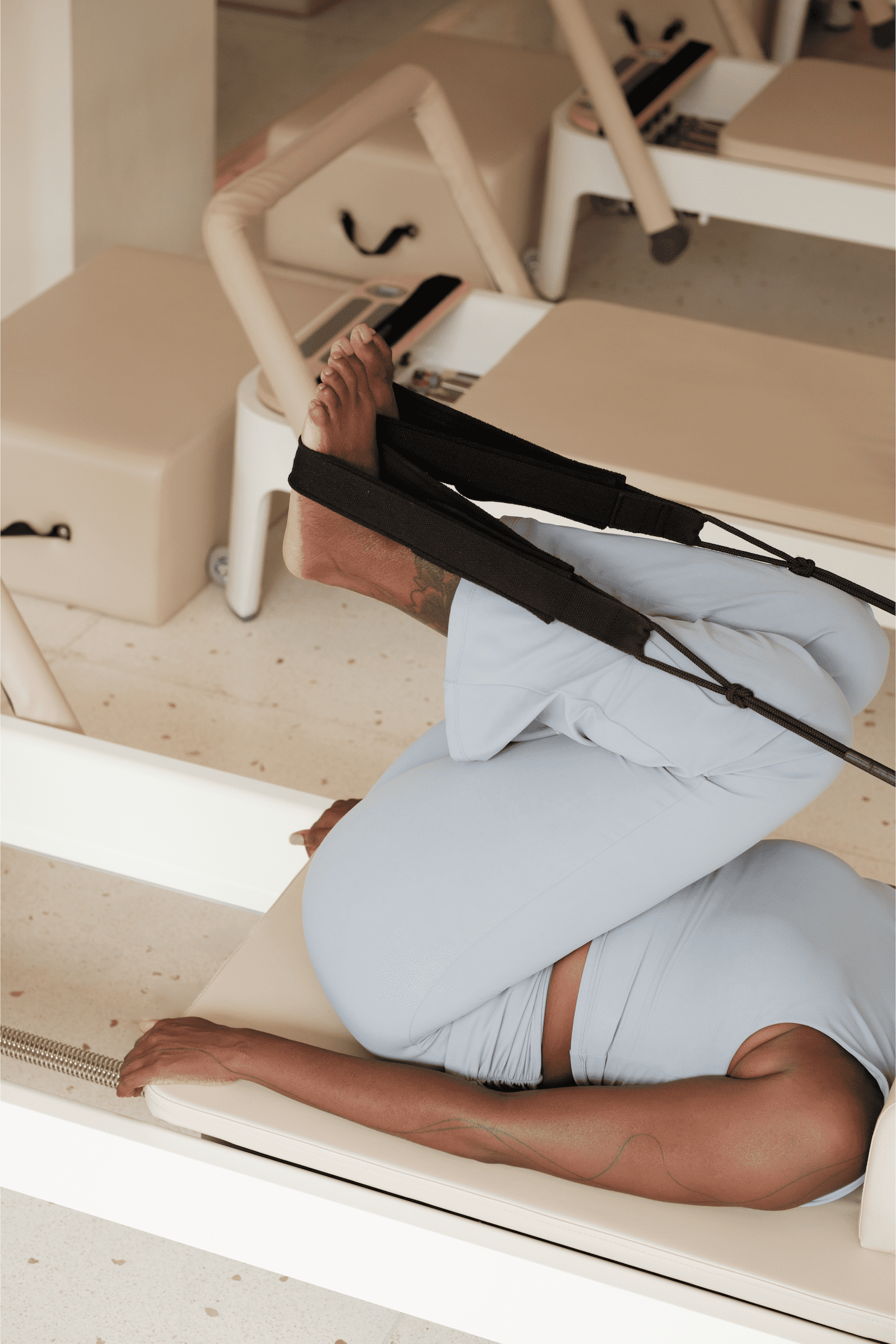
How to Practice Intentional Movement in Pilates
If you want to experience the full benefits of Pilates, learning to move intentionally is essential. Here are some practical ways to develop this skill during your workouts.
Slow Down Your Movements
One of the easiest ways to practice intentional movement is to slow down.
Instead of rushing through exercises, take time to control each phase of the movement. Focus on the lift, the hold, and the return.
Slower movements allow your muscles to remain engaged for longer periods and help prevent momentum from taking over.
Focus on Alignment
Before beginning an exercise, take a moment to check your alignment.
Ask yourself:
- Is my spine neutral?
- Are my shoulders relaxed?
- Is my core engaged?
Maintaining proper alignment ensures that the intended muscles perform the work.
Connect Breath to Movement
Breathing deeply and rhythmically helps support intentional movement.
In many Pilates exercises:
- You exhale during the effort phase
- You inhale during the return or preparation
This breathing pattern supports core activation and helps maintain control.
Engage Your Core First
In Pilates, the core acts as the center of all movement. Before lifting your arms or legs, gently engage your abdominal muscles to stabilize your spine.
This prevents unnecessary strain and ensures the movement originates from a stable foundation.
Visualize the Movement
Visualization can strengthen the mind-to-muscle connection.
Imagine the muscles you are trying to activate and picture them contracting during the exercise. This mental focus can significantly improve muscle engagement.
Examples of Intentional Movement in Pilates Exercises
Many Pilates exercises demonstrate the concept of intentional movement perfectly.
The Hundred
This classic Pilates exercise strengthens the core while coordinating breath and movement.
Rather than simply pumping the arms quickly, intentional movement focuses on:
- Maintaining a stable core
- Keeping the shoulders relaxed
- Coordinating breath with arm movement
Every pump of the arms becomes a deliberate action rather than a rushed motion.
The Roll-Up
The roll-up is designed to articulate the spine and strengthen the abdominal muscles.
When performed intentionally, the movement is slow and controlled, with each vertebra lifting and lowering sequentially.
Rushing this exercise removes the spinal articulation that makes it so effective.
Leg Circles
Leg circles may appear simple, but they require significant control and stability.
Intentional movement ensures that:
- The pelvis remains stable
- The core remains engaged
- The movement originates from the hip joint
Without control, the entire body may rock side to side, reducing the effectiveness of the exercise.
How Intentional Movement Improves Everyday Life
The benefits of intentional movement extend far beyond the Pilates studio.
When you develop awareness and control in your workouts, you begin to carry those same movement patterns into daily activities.
You may notice improvements in:
- Sitting posture at your desk
- Lifting groceries safely
- Walking with better alignment
- Reducing tension in the neck and shoulders
Pilates teaches you to move efficiently and mindfully, which can help prevent aches and injuries in everyday life.
Intentional Movement vs. Mindless Exercise
Many workouts encourage pushing harder, moving faster, and completing as many repetitions as possible. While these workouts can be effective for cardiovascular conditioning, they sometimes sacrifice proper movement quality.
Intentional movement takes a different approach.
Instead of asking:
“How many reps can I do?”
Pilates asks:
“How well can I perform this movement?”
This shift in mindset allows you to focus on long-term strength, mobility, and body awareness rather than short-term intensity.
Why Intentional Movement Is Perfect for All Fitness Levels
One of the reasons Pilates has remained popular for over a century is that intentional movement makes it accessible to people at all fitness levels.
Because the focus is on control and awareness rather than speed or heavy weight, Pilates can be adapted for:
- Beginners
- Athletes
- Postpartum recovery (supine pilates positions are great for after baby recovery)
- Injury rehabilitation
- Older adults seeking gentle strength training
The goal is not to compete or push beyond your limits but to move with purpose and respect for your body.
Building a Sustainable Movement Practice
Intentional movement encourages a long-term relationship with exercise rather than short bursts of intense training.
When you learn to move with control and awareness, workouts become less about punishment and more about supporting your body’s natural movement patterns.
Over time, you may notice:
- Increased flexibility
- Improved coordination
- Greater balance and stability
- Stronger core muscles
- Reduced muscle tension
These benefits make Pilates an excellent foundation for lifelong movement and wellness.
Final Thoughts: The Power of Moving With Intention
Intentional movement is more than just a fitness concept—it is a way of reconnecting with your body and learning to move with awareness, control, and purpose.
Pilates embodies this philosophy perfectly. Through slow, controlled exercises and a strong mind-to-muscle connection, Pilates teaches you to engage the right muscles, improve alignment, and move efficiently.
Rather than rushing through workouts, intentional movement invites you to slow down, listen to your body, and focus on the quality of each movement.
The result is a stronger, more balanced body—and a deeper appreciation for how powerful mindful movement can be.
If you are looking for a workout that strengthens your body while improving posture, stability, and body awareness, Pilates and intentional movement may be exactly what you need.