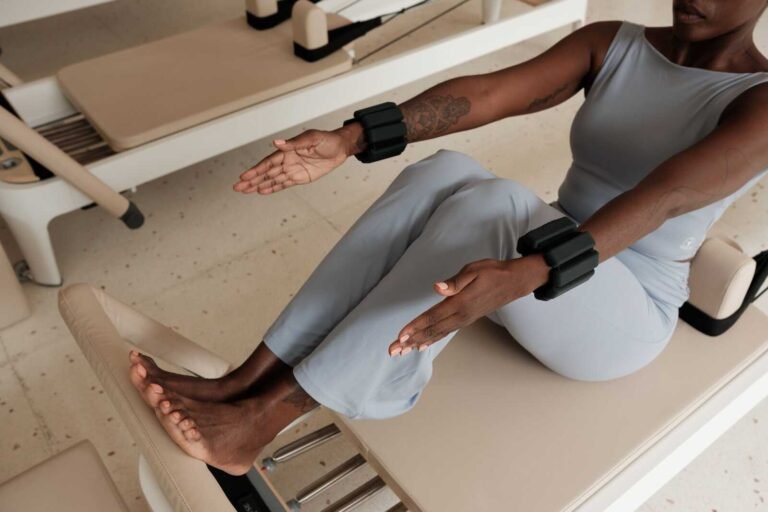
What Is Supine Pilates? A Complete Guide to This Gentle Yet Powerful Pilates Position

Pilates is known for its ability to build strength, improve posture, and increase body awareness without placing excessive stress on the joints. Within the Pilates method, body position plays a major role in how exercises feel and function. One of the most foundational and widely used positions is supine Pilates.
If you’ve ever taken a Pilates class, followed a mat workout, or done physical therapy–inspired core exercises, chances are you’ve already practiced supine Pilates—even if you didn’t realize it. This position is often used for beginners, postpartum clients, rehabilitation, and anyone seeking a low-impact yet effective way to strengthen the body.
In this guide, we’ll break down exactly what supine Pilates is, why it’s so effective, who it’s best for, and how it fits into both mat and reformer Pilates workouts.
What Does “Supine” Mean in Pilates?
The word supine comes from anatomy and simply means lying on your back, face up. In Pilates, supine exercises are performed while you are lying flat on your back, usually on a mat or reformer carriage, with your spine in a neutral or gently imprinted position.
Your arms may rest by your sides, extend upward, or move dynamically depending on the exercise. Your legs may be bent (tabletop or knees bent) or extended, again depending on the movement pattern.
Supine Pilates is not a separate style of Pilates—it’s a body position used within classical and contemporary Pilates exercises.
What Is Supine Pilates?
Supine Pilates refers to Pilates exercises performed while lying on your back. These movements emphasize core engagement, spinal alignment, breath control, and controlled muscle activation without the added challenge of gravity working directly against your spine.
Because the body is supported by the floor or equipment, supine Pilates allows you to:
- Focus on proper alignment
- Engage deep core muscles safely
- Reduce strain on the neck, back, and joints
- Build strength in a controlled, intentional way
This position is frequently used in mat Pilates, reformer Pilates, and clinical Pilates settings.
Why Supine Pilates Is So Effective
Supine Pilates may look simple, but it’s one of the most powerful positions in the Pilates method. Here’s why it’s so widely used.
1. Supports Proper Spinal Alignment
When you’re lying on your back, your spine is naturally supported. This makes it easier to find and maintain neutral alignment, especially for beginners who may struggle with posture in seated or standing positions.
The supine position also allows instructors to cue spinal awareness clearly, helping you understand how your spine moves during flexion, extension, and stabilization.
2. Activates the Deep Core Muscles
Supine Pilates strongly targets the deep core, including:
- Transverse abdominis
- Pelvic floor muscles
- Multifidus (small stabilizing muscles of the spine)
Because the spine is supported, you can focus on engaging these muscles without compensating through the hips, shoulders, or neck.
This makes supine Pilates especially effective for building true core strength rather than relying on surface abdominal muscles alone.
3. Reduces Pressure on Joints
One of the biggest benefits of supine Pilates is that it’s low-impact. Lying on your back minimizes pressure on:
- Knees
- Hips
- Ankles
- Spine
This makes supine exercises ideal for people with joint pain, arthritis, injuries, or those returning to movement after a long break.
4. Encourages Proper Breathing Patterns
Pilates emphasizes lateral rib breathing, where the breath expands the rib cage rather than lifting the chest. Supine Pilates makes it easier to feel this breath pattern because the body is grounded and relaxed.
Proper breathing in supine Pilates helps:
- Improve oxygen flow
- Support core engagement
- Reduce tension in the neck and shoulders
- Enhance mind-body connection
Common Supine Pilates Exercises
Many of the most recognizable Pilates exercises are performed in the supine position. Here are some classic examples.
Pelvic Tilt / Pelvic Curl
This foundational movement teaches spinal articulation and core control. It gently warms up the spine and activates the abdominals and glutes.
Chest Lift
Performed lying on your back, the chest lift targets the upper abdominals while maintaining neck support and alignment.
Supine Arms in Straps
Spine arms in straps is a supine Pilates reformer exercise that strengthens the arms and shoulders while engaging the core to support spinal stability and controlled movement.
Single Leg Stretch
A classic Pilates core exercise that challenges stability while keeping the spine supported.
Double Leg Stretch
This supine movement increases core endurance and coordination by extending both arms and legs while maintaining abdominal control.
Leg Circles
Performed lying flat, leg circles strengthen the hips and core while improving pelvic stability.
Bridging
Although the spine lifts off the mat, bridging still begins and ends in a supine position and strengthens the glutes, hamstrings, and spinal stabilizers.
Supine Pilates on the Reformer
Supine Pilates isn’t limited to mat work. Many reformer exercises are also performed lying on your back.
In supine reformer Pilates, the carriage supports the body while springs provide resistance. This allows for:
- Greater muscle engagement with less joint strain
- Increased feedback for alignment and control
- Adjustable resistance for all fitness levels
Common supine reformer exercises include footwork, supine arm series, leg straps, and coordination exercises.
Who Is Supine Pilates Best For?
One of the reasons supine Pilates is so popular is its accessibility. It’s suitable for a wide range of people and fitness levels.
Beginners
Supine Pilates is often where beginners start because it allows them to focus on form, breathing, and muscle engagement without worrying about balance.
Postpartum and Prenatal Clients
Because of its gentle nature, supine Pilates is frequently used (with appropriate modifications) for postpartum recovery. It helps rebuild core strength and pelvic floor connection safely.
Note: Prenatal clients should always follow guidance from a qualified instructor, as prolonged supine positions may not be recommended later in pregnancy.
People with Back Pain
Supine Pilates is commonly used in rehabilitation and physical therapy settings because it supports the spine and promotes controlled movement.
Older Adults
For older adults, supine Pilates provides a safe way to maintain strength, flexibility, and mobility without high impact.
Anyone Recovering from Injury
If you’re returning to exercise after an injury, supine Pilates allows you to rebuild strength gradually while minimizing risk.
Supine vs. Prone Pilates: What’s the Difference?
While supine Pilates is done lying on your back, prone Pilates is performed lying on your stomach. Both positions are important, but they serve different purposes.
| Supine Pilates | Prone Pilates |
|---|---|
| Spine supported | Spine working against gravity |
| Focus on core control | Focus on back body strength |
| Gentle and accessible | More challenging for some |
| Great for beginners | Better for advanced strengthening |
A balanced Pilates practice typically includes both positions.
How Supine Pilates Fits into a Full Pilates Practice
Supine Pilates often appears at the beginning of a workout to:
- Warm up the body
- Establish breathing and core engagement
- Prepare the spine for more complex movements
However, supine exercises can also be challenging and advanced when combined with long lever arms, increased resistance, or complex coordination.
Even experienced Pilates practitioners return to supine work regularly to refine technique and deepen core control.
Tips for Practicing Supine Pilates Safely
To get the most out of supine Pilates, keep these tips in mind:
- Maintain neutral spine unless instructed otherwise
- Engage your core gently—avoid gripping or holding your breath
- Keep shoulders relaxed and away from ears
- Move slowly and with control
- Stop if you feel pain or strain
Quality of movement always matters more than quantity in Pilates.
Final Thoughts – Why Supine Pilates Matters
Supine Pilates may look simple, but it’s one of the most important foundations of the Pilates method. By practicing Pilates exercises on your back, you build deep core strength, improve posture, support spinal health, and develop body awareness that carries into every other movement you do.
Whether you’re new to Pilates, returning after injury, navigating postpartum recovery, or simply looking for a gentle yet effective workout, supine Pilates offers a powerful way to move with intention and control.
In Pilates, it’s not about how intense the movement looks—it’s about how deeply it works. And supine Pilates proves that sometimes, the most effective exercises begin by simply lying down.